
 Available in US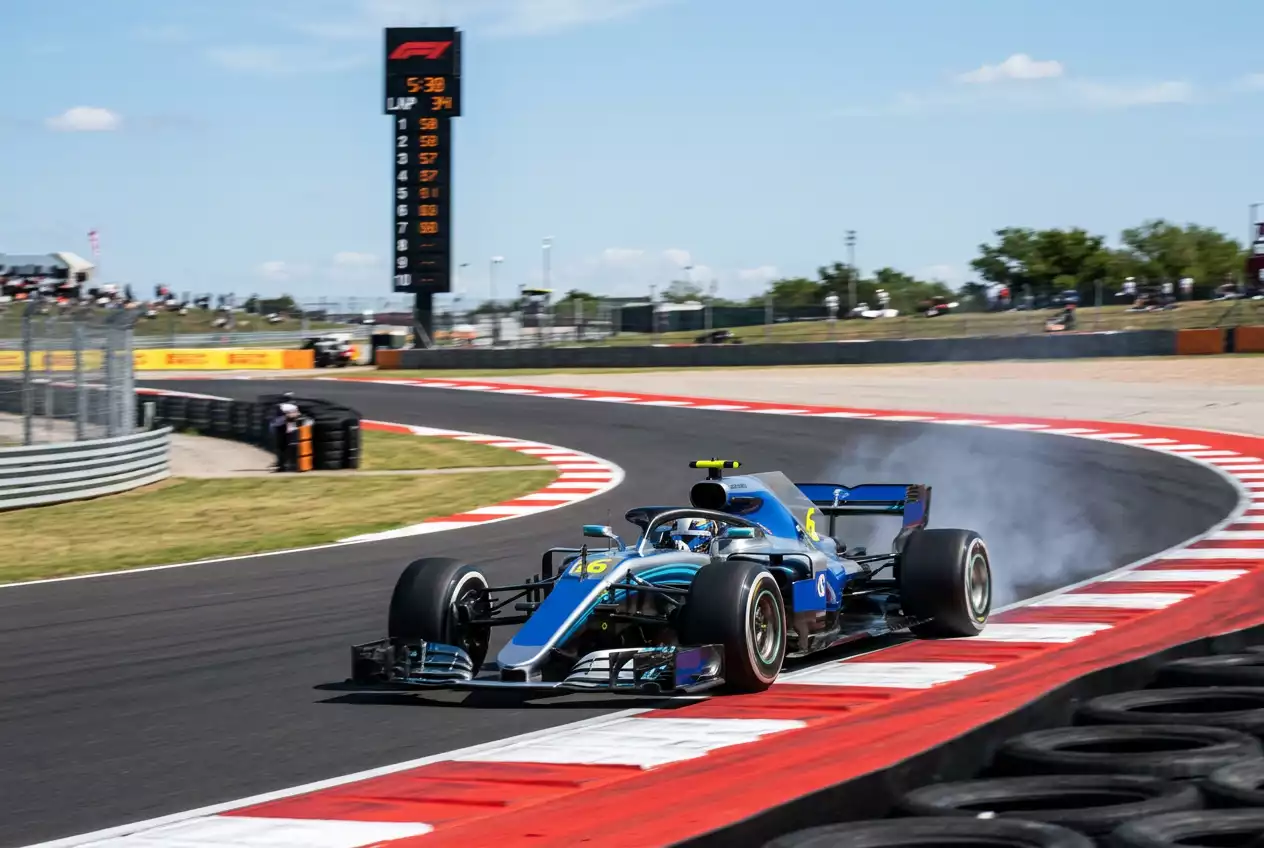
Why the Fastest Lap Market Is F1 Betting’s Best-Kept Edge
In the 2023 season, I tracked every fastest lap across all twenty-two races and compared the actual outcome to the pre-race favourite in the betting market. The favourite set the fastest lap in fewer than half the races. That is remarkable inefficiency for a market that most bettors treat as an afterthought — and it is exactly why I keep coming back to it.
The fastest lap market asks a deceptively simple question: which driver will record the single quickest lap during the race? Not qualifying, not practice — the race itself. The answer depends on a tangle of strategic variables that most casual bettors never examine: tyre age, fuel load, track position, pit-stop timing and the team’s willingness to sacrifice a fresh set of tyres for one fast lap at the end. F1’s partnership with ALT Sports Data as the Official Betting Data Supplier is specifically designed to power real-time analytics for markets like this one, where micro-level timing data makes all the difference.
For punters who enjoy digging into the data, fastest lap is a market where knowledge genuinely translates into profit. It is less crowded than race winner or podium markets, the odds tend to be longer, and the outcome often hinges on information available during the race itself — which means live observation gives you an edge that pre-race analysis alone cannot.
What Determines Fastest Lap: Tyres, Fuel and Track Position
Let me break the fastest lap down to its engineering roots, because that is where the betting edge lives.
Tyres are the primary variable. A fresh set of soft compound tyres on a light fuel load will produce a lap time significantly quicker than worn hard tyres on a full tank. The fastest lap almost always happens in the final stint of the race, when fuel loads are at their lowest. If a team pits their driver late in the race and bolts on a new set of softs — even when the track position cost is minimal — it is a strong signal that they are hunting the fastest lap.
Fuel matters more than most people realise. An F1 car burns roughly 1.8 to 2.2 kilograms of fuel per lap, depending on the circuit. Over a fifty-seven-lap race, that is a total fuel burn of over 100 kilograms. The car in the final five laps is dramatically lighter than the car in the opening stint, which translates to better acceleration, later braking and higher cornering speeds. The fastest lap window is almost always in the final ten to fifteen laps.
Track position adds a tactical layer. A driver running in clean air — no car ahead disrupting their aerodynamics — can extract the full performance of the car. A driver stuck behind a slower car will struggle to set a representative time, even on fresh tyres. This is why the fastest lap often goes to a driver who is either comfortably leading or running in a gap with no immediate pressure from behind. A driver in a tight battle for position will not risk pushing to the absolute limit for one lap when a mistake could cost them a place.
The bonus point rule, introduced in 2019, changed the economics. A driver finishing in the top ten who also sets the fastest lap receives an extra championship point. This incentivises teams near the front to specifically target the fastest lap in the closing stages — you will see top teams pit their driver for fresh softs with a handful of laps remaining, purely to grab that point. When you spot a strategically motivated pit stop near the end of the race, it is a near-certain sign that the driver is going for fastest lap.
Historical Fastest Lap Patterns Worth Knowing
Nine years of tracking this market have taught me several patterns that the cumulative TV audience of 1.83 billion viewers never sees discussed on the broadcast.
First, the fastest lap clusters around specific teams rather than spreading evenly across the grid. In any given season, two or three teams account for the vast majority of fastest laps. This is intuitive — the fastest cars set the fastest laps — but the degree of concentration surprises people. If one team has a clear pace advantage, their two drivers between them might claim the fastest lap in fifteen or more of twenty-four races.
Second, the driver who sets the fastest lap is not always the race winner. This is the key insight for betting. When the race winner is locked into a comfortable lead, they have no incentive to push for the fastest lap unless the bonus point matters for the championship. Meanwhile, a driver running fourth or fifth with a gap behind them has both the opportunity and the incentive — the bonus point could be the difference between staying within striking distance in the title fight or falling behind.
Third, certain circuits consistently produce fastest laps from unexpected sources. High-degradation tracks like Bahrain and Spain tend to see the fastest lap come from the driver who pits latest, because they have the freshest tyres when the fuel is lightest. Low-degradation tracks like Monza and Spa, where tyre wear is less severe, often see the fastest lap set earlier in the final stint, sometimes by a driver who did not pit for a new set at all.
Fourth, sprint weekends affect the fastest lap dynamic. The sprint race on Saturday consumes tyre allocations, which limits what teams have available for Sunday. If a team has used their soft tyres aggressively in the sprint, they may not have a fresh set available for a fastest lap attempt on Sunday. Checking the tyre allocation tables before the race gives you a concrete edge in this market.
Spotting Value in the Fastest Lap Market
My approach to fastest lap betting has evolved from guessing into a structured process. Before each race, I check three things.
One: remaining tyre allocations. If a team has a fresh set of soft tyres available and is running in the top ten, their driver is a live fastest lap contender — especially if the championship is tight and the bonus point matters. This information is published by Pirelli and available on the FIA’s timing screens. It is public, free and under-used by bettors.
Two: the competitive picture in the final stint. I look at long-run pace data from practice to estimate which drivers will have the best raw pace on low fuel. The driver with the best long-run pace on softs is not always the race winner, but they are often the fastest lap candidate — particularly if they are running outside the immediate podium battle and can afford to push without risk.
Three: strategic incentives. Is the championship close enough that the bonus point matters to multiple teams? If so, expect multiple drivers to attempt a fastest lap in the closing stages, which broadens the field of contenders and can make longer-priced selections more attractive. If the championship is already decided, the fastest lap often goes to whichever driver happens to be on the freshest tyres in clean air — a less predictable outcome that rewards contrarian picks.
The value in this market comes from specificity. Most bettors back the race weekend’s dominant driver for fastest lap, which compresses those odds and inflates the odds on second- and third-tier contenders. If you have identified a driver outside the top three who has fresh softs, strong long-run pace and a gap in traffic, their odds are frequently too generous. That is where the returns accumulate over a season.
