
 Available in US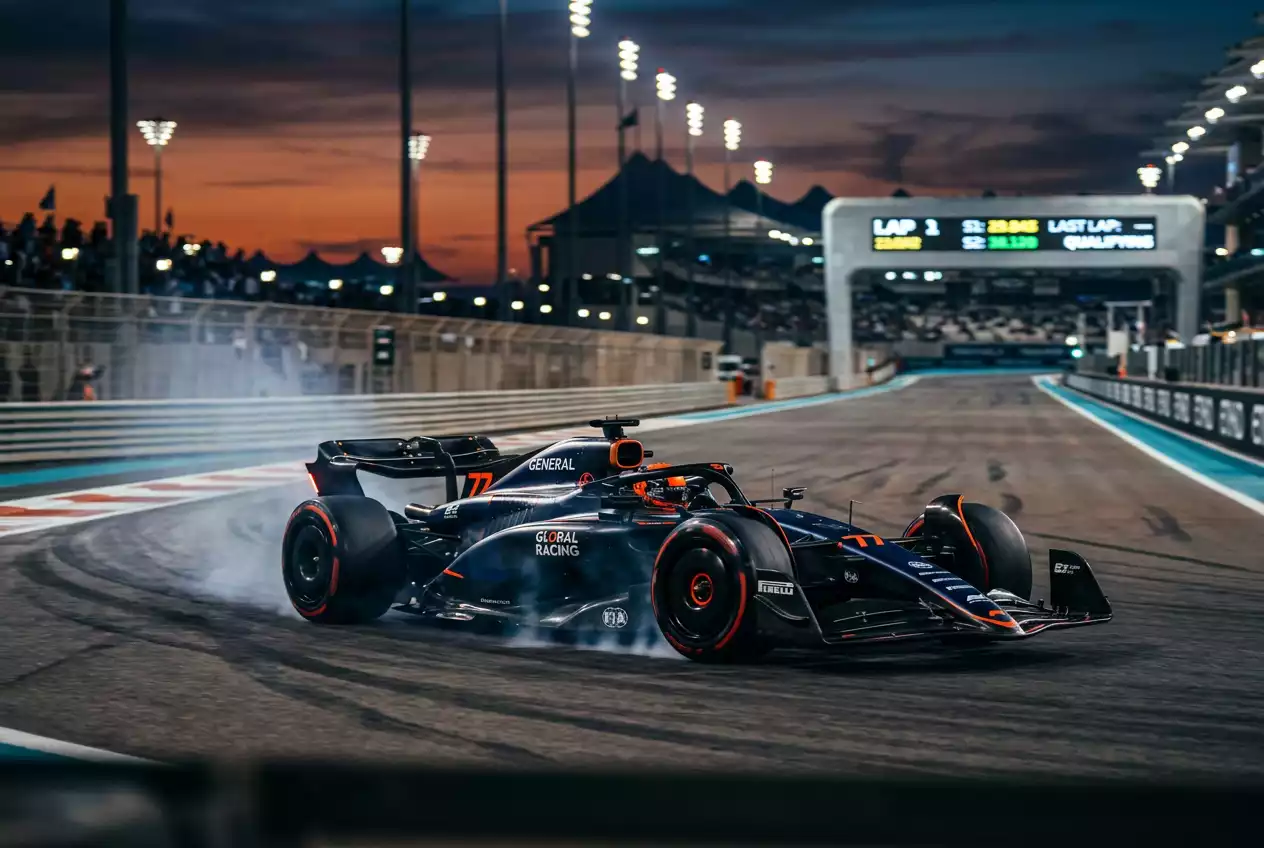
Saturday Afternoon Is Where the Sharp Money Moves
I once watched a driver set a lap in Q3 that was four tenths faster than anything he had shown all weekend. The car looked ordinary in practice, middling in Q1, and competent in Q2. Then, on the final run in Q3, the driver found something nobody expected — the setup came alive in the cooler evening conditions, the tyre preparation was perfect, and the lap time stunned the paddock. His pole position odds had been 20/1 twenty minutes earlier. That experience taught me that qualifying is not a replay of practice. It is its own event, with its own dynamics, and it rewards bettors who treat it as such.
F1 qualifying markets have grown substantially as the sport’s global fan base has expanded past 827 million. The pole position market, top-three qualifier, qualifying head-to-head, and Q1/Q2 elimination markets now offer a complete betting ecosystem around Saturday’s one-hour session. For punters willing to analyse the specific conditions of a qualifying session — track evolution, wind, temperature, tyre preparation — the value opportunities are often richer than in the race itself.
Understanding the Three-Phase Format
F1 qualifying runs in three knockout phases. Q1 lasts eighteen minutes and eliminates the slowest five drivers. Q2 lasts fifteen minutes and eliminates the next five. Q3, the pole shootout, lasts twelve minutes and determines the top ten grid positions. Each phase has its own tactical dimension that affects betting.
Q1 is about survival, not outright pace. Teams running near the back of the grid focus on clearing the Q1 cut with minimum tyre usage, saving their best rubber for later. The “will Driver X be eliminated in Q1?” market is popular and often mispriced when a mid-grid driver has a minor issue — a messy out-lap, a traffic encounter — that puts them at temporary risk. Most of the time, the genuinely quick drivers clear Q1 comfortably, and the apparent drama is just timing noise.
Q2 introduces a strategic wrinkle: the tyres used to set a driver’s fastest Q2 time become their starting tyres for the race (on standard weekends). This means some drivers try to qualify for Q3 on the medium compound rather than the soft, accepting a slightly lower grid position in exchange for a better race tyre. If a driver qualifies ninth on mediums while the driver in eighth used softs, the ninth-place driver may have a superior race strategy. This strategic trade-off creates value in the race winner and podium markets that the qualifying result alone does not reveal.
Q3 is the pure shootout. Ten drivers, two runs, twelve minutes. The final flying laps of Q3 produce some of the most intense moments in all of sport. Track evolution across the session means the second run is almost always faster than the first, so the action builds to a climax. For betting, the key question is: which driver will extract the most on their final attempt? Practice pace, sector splits, and a driver’s historical qualifying record at the specific circuit all feed into this assessment.
Data Inputs for Qualifying Predictions
Practice session data is the starting point, but it requires translation. A fast practice lap does not automatically predict a fast qualifying lap. The conditions differ: in practice, drivers run various fuel loads, test different setups, and rarely push to the absolute limit. In qualifying, the car is on minimum fuel, the setup is optimised for single-lap pace, and the driver pushes to the edge of adhesion.
The most useful practice metric for qualifying prediction is the best single-lap time on the soft compound, adjusted for fuel load. Most teams run their qualifying simulations in FP3 (Saturday morning), giving you a direct read on single-lap pace just hours before the session. Compare the FP3 times between drivers, but apply a correction: some teams show their hand in FP3, while others hold back, running slightly higher fuel or saving their best engine modes for the session itself.
Track evolution is the second critical input. F1 circuits improve significantly over a weekend as rubber is laid down by F1 cars and support-series machinery. A track that was “green” on Friday can be a second faster by Saturday afternoon. The driver who sets their FP3 time late in the session, on a more evolved track, has a data advantage over the driver who ran early. When comparing practice times for qualifying bets, always note the session timing — a fast lap at the end of FP3 is worth more than a fast lap at the start.
Weather differences between practice and qualifying sessions are a third variable. A qualifying session that is five degrees warmer than FP3, or that has a different wind direction, can reshuffle the order. Some cars are more sensitive to wind than others — aerodynamic platforms that work brilliantly in still air can become unstable in crosswinds. Checking the forecast for the specific qualifying hour, not just the general race-day outlook, is a necessary step before placing a pole position or top-three qualifier bet.
Qualifying Markets Worth Targeting
The pole position market is the most liquid qualifying bet and typically the tightest in terms of bookmaker margin. The favourite’s odds often sit between 1.50 and 2.50, reflecting the high probability that the team with the best car will top qualifying. Value on the favourite exists mainly when conditions are changing — rain risk, temperature shifts, or an unusually strong wind forecast that could disrupt the expected order.
I find the most consistent value in qualifying head-to-head markets, specifically teammate matchups. Both drivers have the same car, so the comparison is clean. Over a sequence of races, one teammate tends to outqualify the other by a consistent margin. When the odds for a qualifying head-to-head do not reflect that established pattern — often because of a single anomalous result the previous weekend — the mispricing is exploitable.
A third of F1 fans under thirty-five are more likely to watch with a bet on the outcome. Qualifying markets give those fans an engagement point on Saturday that builds anticipation for Sunday. From a bettor’s perspective, the qualifying session is also a crucial data source: the grid positions locked in on Saturday define the starting conditions for every race-day market. A strong qualifying bet is not just a standalone wager — it is the foundation for Sunday’s race positions.
Top-three qualifier and “to qualify in the top six” markets offer interesting each-way-style opportunities without the each-way structure. If you believe a driver has a shot at pole but the odds are too short to offer value, the “top three” market lets you back a broader outcome at wider odds. These markets are typically less efficiently priced than the pole market because they receive less public attention and lower betting volume.
